Unlocking Potential: The Hidden Business Opportunities in Abandoned Airports
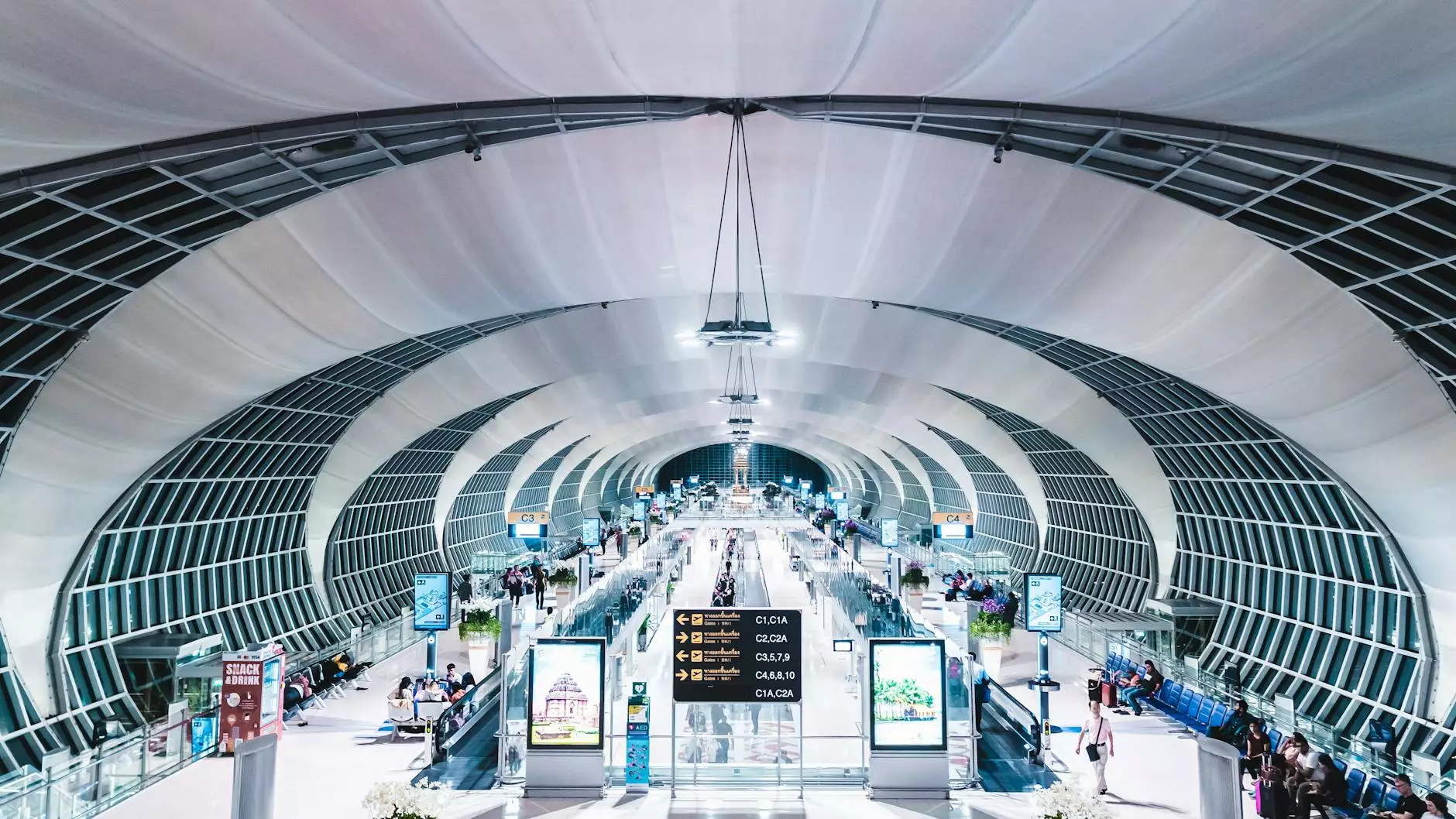
Throughout history, abandoned airports have often symbolized both the end of an era and the beginning of new possibilities. Once bustling hubs of commercial and passenger activity, these vast expanses of infrastructure now stand dormant, waiting to be revitalized through innovative business ventures. With their extensive space, strategic locations, and unique architectural features, abandoned airports represent a golden opportunity for entrepreneurs and investors seeking to capitalize on underutilized real estate.
Understanding the Allure of Abandoned Airports in Business Development
What makes abandoned airports such lucrative prospects? The answer lies in their characteristics:
- Expansive Land Areas: Some airports cover hundreds or thousands of acres, providing versatile space for diverse projects.
- Strategic Location: Many airports are situated near urban centers or key transportation corridors, making them accessible and desirable for various uses.
- Unique Architectural Features: Their large hangars, control towers, runways, and terminal buildings can be repurposed to create distinctive commercial environments.
- Cost-Effective Properties: Compared to new developments, acquiring abandoned airport sites can be more affordable, with potential for a favorable return on investment.
- Historical and Cultural Value: Redevelopment projects can preserve history while creating innovative spaces that attract visitors and tenants.
The Business Potential of Abandoned Airports
Transforming abandoned airports into thriving business hubs involves selecting the right niche. Here are some of the most promising avenues:
Real Estate Development and Commercial Complexes
One of the most straightforward uses for abandoned airports is creating mixed-use developments that incorporate residential, commercial, and retail spaces. The large, flat terrains and existing infrastructure make them ideal for:
- Luxury apartment complexes with panoramic views of runways and hangars
- Shopping malls that attract both locals and tourists
- Office parks with modern amenities
Such projects not only generate substantial rental income but also boost local economies by creating employment opportunities.
Entertainment and Recreational Facilities
Repurposing abandoned airports as entertainment hubs is another highly profitable venture. Their vast spaces lend themselves well to:
- Amusement parks and theme parks that utilize the iconic aircraft hangars for rides and attractions
- Adventure sports centers offering activities such as skydiving, paintball, or drone racing
- Event venues hosting concerts, expos, and fairs
- Film and photography locations utilizing the unique industrial aesthetic
These activities can attract large crowds and generate significant revenue while transforming forgotten spaces into vibrant community assets.
Innovative Business Uses: From Data Centers to Industrial Parks
The infrastructure of abandoned airports makes them perfect for highly specialized industrial uses, such as:
- Data centers leveraging the existing power supply, cooling infrastructure, and security features
- Logistics and distribution hubs capitalizing on proximity to transportation corridors
- Manufacturing facilities utilizing large open spaces
These developments meet the high demands of the modern economy for scalable, efficient industrial space.
Key Steps in Redeveloping Abandoned Airports
Successfully transforming abandoned airports requires thoughtful planning and strategic execution. Below are crucial steps:
1. Conducting Feasibility Studies
Assess the site's potential, zoning regulations, environmental considerations, and community impact. This will determine the most profitable and sustainable use of the site.
2. Engaging Stakeholders
Collaborate with local government, community organizations, investors, and potential tenants to ensure alignment and support for redevelopment projects.
3. Designing a Visionary Master Plan
Create a comprehensive plan that incorporates multiple uses, respects the site's history, and maximizes its physical potential. Emphasize sustainability, aesthetics, and functionality.
4. Securing Funding and Permits
A detailed financial plan, including public and private investment, grants, and loans, is critical. Ensure all necessary permits and approvals are in place before construction begins.
5. Implementing phased development
Break projects into manageable phases to mitigate risk, attract ongoing investment, and adapt to market changes.
Case Studies: Successful Abandoned Airport Redevelopments
Looking at examples from around the world provides inspiration and proven strategies for turning abandoned airports into profitable ventures:
Old Kansas City Airport, USA
Transformed from a defunct airfield into a vibrant business park and logistics hub, this redevelopment attracted major corporations, boosting regional employment.
Old Berlin Tempelhof Airport, Germany
Now a public park and cultural space, Tempelhof's space is used for festivals, markets, and recreational activities, bringing economic vitality and international recognition.
Old Kai Tak Airport, Hong Kong
This site has been converted into a massive residential and commercial development, integrating green spaces that enhance urban living.
Environmental and Sustainability Considerations
Redevelopment of abandoned airports must prioritize environmental sustainability:
- Conduct thorough environmental impact assessments to identify contamination and plan for remediation.
- Utilize green building materials and technology to reduce carbon footprint.
- Incorporate renewable energy sources, such as solar panels, especially on large rooftops and open spaces.
- Design for eco-friendly stormwater management and waste reduction.
This commitment not only preserves the environment but also increases the project's long-term profitability.
Economic and Community Benefits of Reviving Abandoned Airports
Proper redevelopment initiatives can significantly boost local economies through:
- Job creation during and after construction phases
- Enhanced infrastructure leading to increased accessibility and property values
- Tourism attraction through unique venues and cultural events
- Revitalization of surrounding neighborhoods
Moreover, such projects foster community pride by transforming derelict spaces into vibrant and functional environments.
Conclusion: Embrace the Future of Abandoned Airports
In the realm of innovative real estate and business development, abandoned airports represent a vast frontier ripe with potential. By leveraging their unique features, strategic location, and vast space, entrepreneurs can create profitable, sustainable, and culturally enriching projects. Whether transforming these sites into bustling commercial hubs, recreational spaces, or industrial parks, the key lies in strategic planning, community engagement, and environmental stewardship.
As we look ahead, the successful redevelopment of abandoned airports will not only redefine urban landscapes but also serve as shining examples of how to turn forgotten spaces into engines of economic growth and community vitality.
For those interested in exploring or investing in these transformative projects, now is the perfect time to consider the hidden gems of our past and unlock their vast potential for a prosperous future.


