Surgical Knife Types: A Comprehensive Guide
Introduction
Welcome to Grey Medical, your trusted destination for top-quality healthcare services in the field of surgery. We understand the importance of providing comprehensive information to our patients and the general public. In this article, we will delve into the realm of surgical knife types, offering an in-depth analysis of the various knives used in modern medical procedures.
Understanding the Importance of Surgical Knife Types
When it comes to surgical procedures, precision, and accuracy are of paramount importance. Surgeons and medical professionals rely on a wide range of tools and equipment to perform intricate surgeries successfully. Among these tools, surgical knives play a pivotal role.
Knowing the different types of surgical knives and their specific purposes is crucial for both medical professionals and patients. It helps in ensuring the right instrument is used for a specific procedure, enhancing the overall success rate while minimizing risks and complications.
The Various Types of Surgical Knives
At Grey Medical, we offer an extensive range of surgical knives that cater to diverse surgical specialties. Let's explore some of the most common types:
1. Scalpel
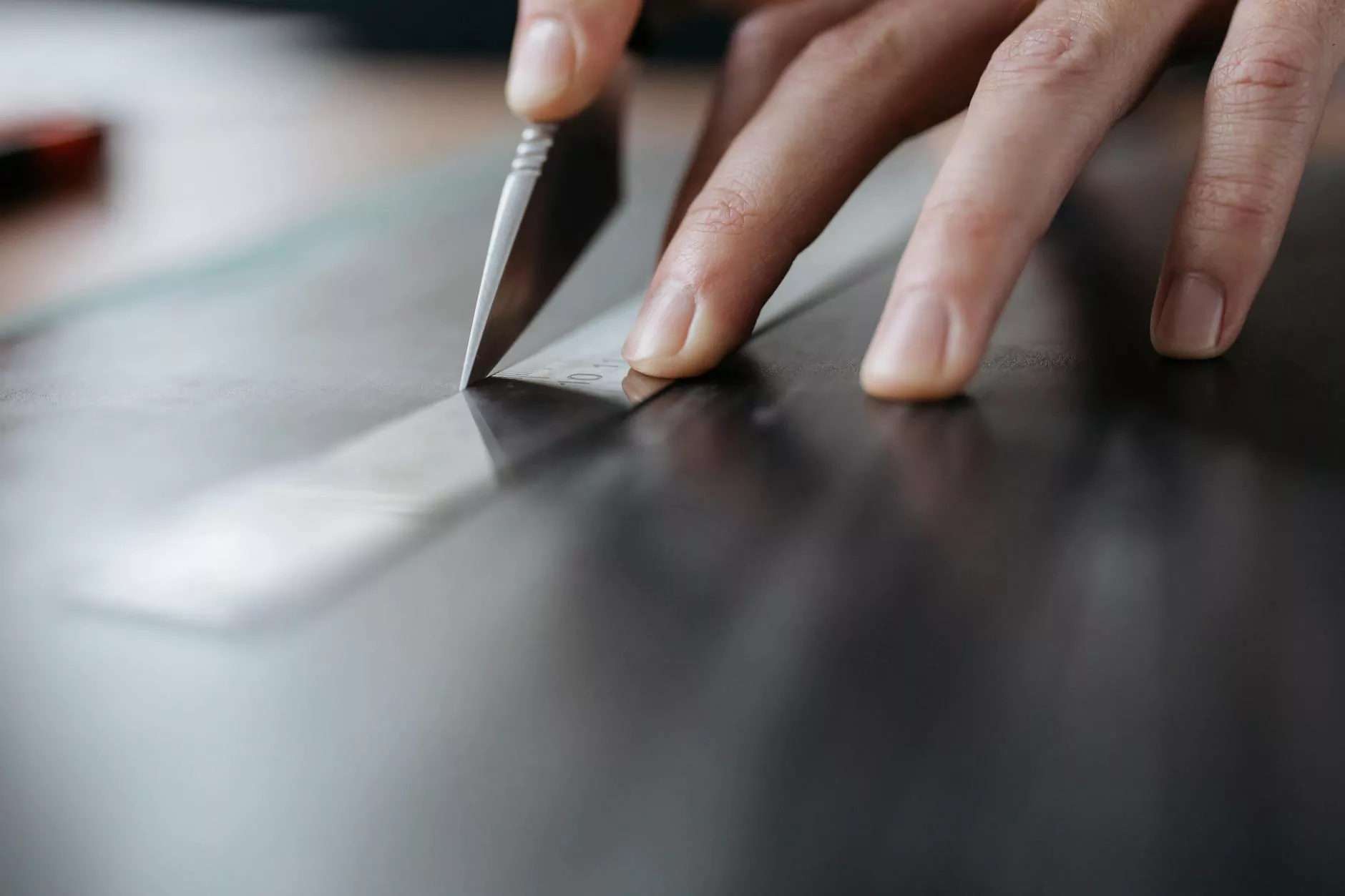
The scalpel is one of the most commonly used surgical knives. It consists of a sharp, pointed blade attached to a handle. Surgeons use scalpel blades of different sizes and shapes, depending on the specific procedure and the required incision type. The versatility of the scalpel makes it a staple in almost every surgical setting.
2. Surgical Scissors
Surgical scissors are another vital component of any surgical toolset. These scissors are designed to cut through various tissues with precision. Different types of surgical scissors include straight scissors, curved scissors, and delicate fine-tip scissors. Each type has its own specific function, ensuring efficient and controlled tissue dissection during surgeries.
3. Retractors
Retractors are surgical instruments used to hold tissue or organs away from the surgical site, providing better visibility and access. These instruments play a crucial role in procedures requiring a clear field of view. There are numerous types of retractors, including hand-held retractors, self-retaining retractors, and specialized specialty-specific retractors.
4. Dissectors
Dissectors are designed to separate and dissect tissues during surgical procedures. They are particularly useful when working with delicate structures where precision and minimal tissue damage are essential. Various types of dissectors, such as blunt-ended dissectors, tissue spreaders, and fine-tip dissectors, ensure controlled tissue manipulation.
5. Hemostats and Forceps
Hemostats and forceps are crucial instruments used to handle tissues, control bleeding, and manipulate sutures during surgeries. These instruments come in a wide array of shapes and sizes, including straight, curved, and specialty forceps. Surgeons rely on hemostats and forceps for their grip, precision, and ability to handle delicate structures with care.
6. Needle Holders
Needle holders are used to grasp and manipulate surgical needles during suturing. These specialized instruments provide surgeons with the control and precision necessary for efficient and secure suturing. Needle holders often feature a ratchet mechanism that keeps the needle held firmly in place during the suturing process.
7. Electrocautery Devices
Electrocautery devices are surgical instruments that use electrical currents to generate heat, thereby sealing blood vessels and controlling bleeding during surgery. These devices are invaluable in minimizing blood loss and reducing the risk of complications. Our medical center utilizes advanced electrocautery devices to ensure optimum surgical outcomes.
8. Biopsy Punches
Biopsy punches are instruments used to obtain tissue samples for diagnostic purposes. These punches come in various sizes and shapes, allowing for precise and controlled sampling. Depending on the nature of the procedure, different types of biopsy punches, such as circular punches and oval punches, are used.
9. Suturing Needles
Suturing needles are essential for closing incisions and wounds. These needles come in different sizes, shapes, and materials. Surgeons select the appropriate suturing needle based on the specific procedure, patient's anatomy, and desired wound closure technique. The right needle ensures secure and aesthetically pleasing wound closure.
The Importance of Choosing the Right Surgical Knife
The choice of a surgical knife depends on various factors, such as the type of procedure, the anticipated incision type, and the patient's anatomical considerations. Using the wrong knife can lead to suboptimal outcomes, extended operating times, and increased risks. At Grey Medical, we prioritize the selection of the appropriate surgical knife to optimize patient safety and surgical success.
Contact Grey Medical for Exceptional Surgical Care
For superior surgical care and cutting-edge medical services, trust Grey Medical. Our expert team of doctors at our state-of-the-art medical center is dedicated to providing exceptional healthcare. Whether you need a minor surgical procedure or a complex surgery, we ensure the highest level of patient care and safety.
Contact Grey Medical today to schedule a consultation or learn more about our comprehensive range of medical services. Take the first step towards a healthier future.