Turtle Pets Australia: The Ultimate Guide to Caring for Pet Turtles
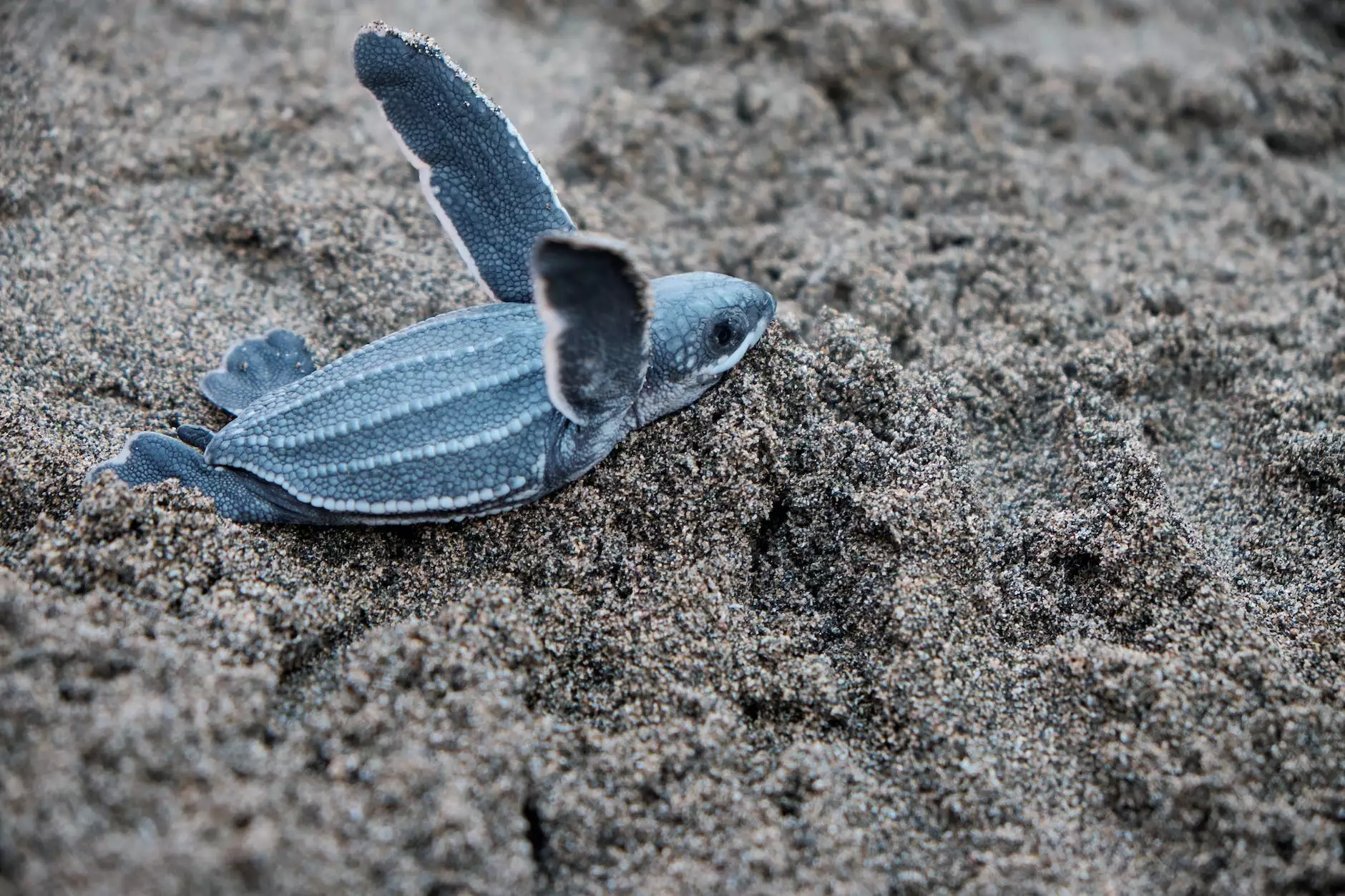
If you are considering adding a pet turtle to your family, you've made a fantastic choice! Turtle pets not only bring joy to your home but also offer companionship in a unique way. In Australia, many are drawn to the idea of having a turtle as a pet, and in this comprehensive guide, we will explore everything you need to know about turtle pets in Australia. From adoption to proper care, this article covers it all.
Understanding the Appeal of Turtle Pets in Australia
Turtles are fascinating creatures that can live for several decades, making them a long-term commitment. Their gentle nature and low-maintenance requirements compared to other pets, such as dogs or cats, make them ideal for many households. In Australia, the popularity of turtles as pets is steadily increasing, and here's why:
- Longevity: Turtles can live for many years, sometimes even over 50 years, providing a lifelong companion.
- Unique Behaviors: Watching a turtle move and interact can be both relaxing and entertaining.
- Eco-Friendly: Turtles often thrive in smaller, more sustainable environments, which can be appealing for eco-conscious pet owners.
- Educational Value: Owning a turtle can be an educational experience for families, teaching responsibility and empathy.
Choosing the Right Turtle for Your Home
When selecting a turtle as a pet, it is crucial to understand the different species available and their specific needs. There are several popular species of turtles that are often kept as pets in Australia:
1. Eastern Long-necked Turtle
The Eastern Long-necked Turtle is one of the most common species found in Australian homes. They are known for their elongated necks and gentle disposition. These turtles prefer fresh water and enjoy a varied diet that includes vegetables and protein.
2. Red-eared Slider
The Red-eared Slider is another popular choice among turtle enthusiasts. They are known for their striking red patches behind their eyes and their sociable behavior, making them a favorite for families.
3. Murray River Turtle
The Murray River Turtle is native to Australia and can live in both freshwater and brackish environments. They have a hearty diet and can adapt well to various habitats, which makes them versatile for different settings.
Pet Adoption and Breeding Options
When it comes to acquiring a turtle, there are primarily two routes: adopting from shelters or purchasing from breeders. Both options have their perks and considerations.
Pet Adoption
Adopting a turtle is an ethical choice that contributes to animal welfare. Many rescue centers and shelters have turtles in need of loving homes. By adopting, you give a turtle a second chance while also fulfilling your desire for a pet.
Pet Breeders
Buying from a reputable breeder ensures that you acquire a healthy turtle. It's essential to conduct thorough research on breeders to make sure they adhere to ethical practices and provide healthy, well-cared-for animals. Websites like buyreptilesaus.com often list trusted breeders and adoption centers across Australia, offering a reliable source for prospective turtle owners.
Essential Care for Your Turtle Pet
Once you've added a turtle to your family, ensuring their well-being is of utmost importance. Here’s a detailed breakdown of proper turtle care:
1. Habitat Setup
A suitable habitat is critical for your turtle's health. The tank should be spacious enough to allow for swimming and basking. Consider the following:
- Tank Size: A minimum of 100 liters is recommended for small species, with larger tanks for bigger breeds.
- Clean Water: Turtles need clean freshwater, which requires a powerful filter to maintain quality.
- Basking Area: Create a basking spot using a dry rock or platform where your turtle can warm itself under a basking lamp.
- Substrate: Use non-toxic materials such as river rocks or sand to simulate their natural environment.
2. Dietary Needs
Feeding your turtle a balanced diet is essential for its health. Here are some dietary recommendations:
- Commercial Turtle Food: Specially formulated pellets provide essential nutrients.
- Vegetables: Leafy greens, carrots, and squash can be offered daily.
- Protein: Occasionally offer live or frozen food such as fish, shrimp, or worms for a protein boost.
3. Temperature and Lighting
Maintaining the correct environmental conditions is crucial:
- Water Temperature: Keep the water temperature between 24-28°C (75-82°F).
- Basking Light: Provide a UVB basking light to aid in metabolism and calcium absorption.
- Heat Source: Utilize a heating pad or lamp to keep the air temperature within an optimal range.
Importance of Regular Check-ups
Just like any pet, turtles require regular medical check-ups to monitor their health. It's advised to find a veterinarian who specializes in reptiles to provide proper care. During these visits, your vet will check for common issues such as respiratory infections or shell problems.
Common Health Issues in Turtles
Understanding the common health risks associated with turtle pets is vital for their longevity and happiness:
- Respiratory Infections: Symptoms include wheezing or a runny nose; ensure proper warmth and humidity.
- Shell Rot: This fungal condition can occur due to poor habitat conditions and may require veterinary attention.
- Parasites: Regular fecal examinations can help identify internal parasites that may require treatment.
Building a Bond with Your Turtle
While turtles may not show affection like a dog or cat, there are ways to connect with them:
- Handling: Gently handling your turtle can help them get used to human interaction; however, limit the duration to reduce stress.
- Observation: Spend time watching your turtle interact with its environment. This can be rewarding and insightful.
- Feeding Time: Use feeding time as an opportunity to engage with your pet, enticing them with food from your hand.
Conclusion
Owning a turtle in Australia can lead to a rewarding experience, filled with hours of observation and learning about these ancient creatures. By understanding what it takes to care for turtle pets, including their needs for habitat, diet, health, and bonding, you are setting yourself up for success as a turtle owner. Embrace the joy of caring for a turtle, and you will undoubtedly find a unique companion for many years to come.
For more information about turtle pets in Australia, visit buyreptilesaus.com, where you'll find a wealth of resources, including pet adoption, pet breeders, and a directory of reputable reptile shops.
turtle pets australia