Sabong: The Philippines' Traditional Sport and Its Booming Business Industry
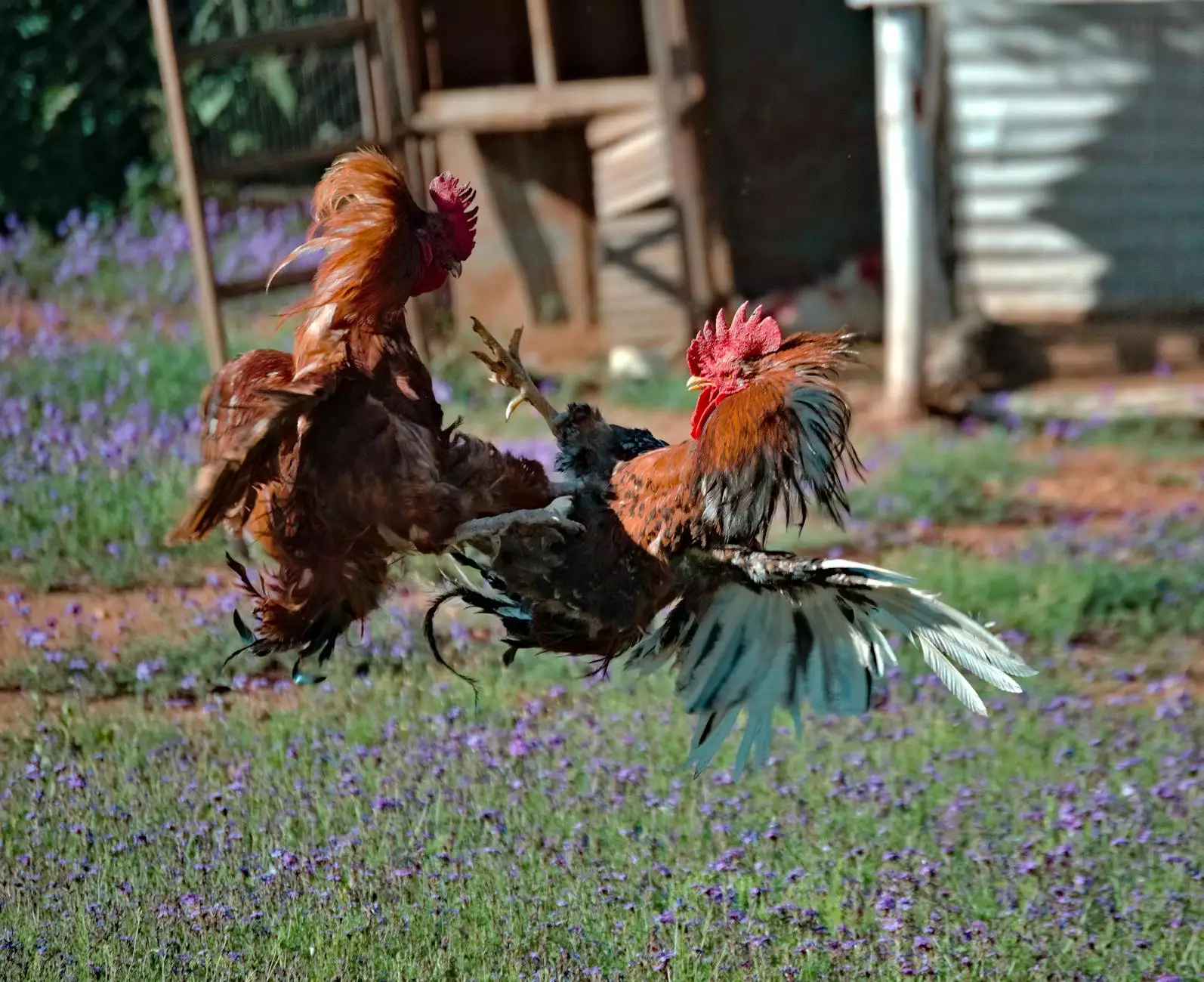
In the rich cultural tapestry of the Philippines, sabong stands out as more than just a traditional pastime; it has grown into a significant business sector that influences local economies, creates employment opportunities, and garners substantial revenue through sports betting and online platforms. This comprehensive guide delves into the fascinating world of sabong, exploring its history, cultural significance, and the vibrant business landscape it fosters today.
The Cultural Roots and Evolution of Sabong
Historically, sabong is a centuries-old tradition that traces back to pre-colonial Philippines. It is deeply woven into Filipino social fabric, serving as a communal activity that unites families, communities, and even regions. Beyond mere entertainment, sabong embodies virtues such as bravery, skill, and tradition.
Over time, the sport has evolved, adapting to modern technology and expanding its business potential. From informal village fights to professionally organized matches, sabong has transformed into a sophisticated industry that includes breeding, training, betting, and online platforms.
The Business of Sabong: Opportunities and Growth
The burgeoning industry surrounding sabong offers numerous opportunities for entrepreneurs, investors, and sports enthusiasts. Here's an in-depth look at the various facets fueling this dynamic business landscape:
1. Breeding and Training of Roosters
Effective breeding is the backbone of successful sabong matches. Entrepreneurs invest heavily in high-quality breeders, genetic selection, and skilled trainers to cultivate championship-worthy roosters. The process involves careful selection based on strength, agility, and fighting spirit, which are crucial in determining the success of a fighting rooster.
Investing in breeding farms and offering specialized training services can be lucrative. Additionally, breeding for specific traits and genetic optimization has become a valuable niche within the industry.
2. Organizing and Managing Sabong Events
Professional sabong events attract large audiences and generate significant revenue through ticket sales, concessions, and betting. Organizers must ensure adherence to local regulations, maintain safety standards, and provide engaging entertainment to keep crowds coming back.
Event management involves:
- Venue selection and preparation
- Regulatory compliance and licensing
- Promotion and marketing
- Security and safety arrangements
- Betting management and payouts
3. The Rapid Growth of Online Sabong Betting Platforms
One of the most transformative aspects of the sabong industry in recent years is the rise of online betting platforms. These platforms have revolutionized how enthusiasts engage with the sport, making it accessible to a global audience.
Online sabong offers:
- Convenience of betting anytime and anywhere
- Wide variety of matches and betting options
- Real-time updates and live streaming of matches
- Secure transaction systems
- Data-driven betting strategies
This digital shift not only amplifies the betting volume but also provides entrepreneurs with opportunities to develop innovative platforms, payment solutions, and data analytics services aimed at improving user experience and streamlining operations.
The Economic Impact of Sabong in the Philippines
Sabong has emerged as a notable contributor to local economies, especially in rural and provincial areas. It provides employment for trainers, breeders, vendors, security personnel, and event staff. Additionally, it boosts local businesses such as feed suppliers, veterinary services, transportation, and hospitality industries.
Moreover, the government and private sector recognize sabong's economic potential, leading to increased investments, sponsorships, and tourism opportunities. International online betting platforms have also brought in foreign revenue, positioning the Philippines as a hub for legal and regulated sabong betting activities in Southeast Asia.
Legal and Regulatory Landscape: Ensuring a Sustainable Sabong Industry
For the sabong business to thrive sustainably, adherence to legal frameworks is essential. The Philippine government has established regulations to govern the sport and betting activities, ensuring safety, fairness, and social responsibility.
Key points include:
- Licensing and registration of sabong arenas and betting platforms
- Strict animal welfare guidelines and humane treatment protocols
- Tax compliance and revenue sharing with local government units
- Partnerships between private operators and regulatory bodies
Although challenges remain, proactive regulation promotes industry growth while safeguarding community interests and animal welfare standards.
Strategies for Success in the Sabong Business
If you're considering to venture into the sabong industry, the following strategies can greatly enhance your chances of success:
Develop a Robust Breeding Program
Investing in genetic research, high-quality breeders, and proper training techniques ensures the production of winning roosters. Focus on breeding for attributes like stamina, strength, and fighting instinct.
Leverage Technology for Betting and Event Management
Use digital platforms to organize, promote, and manage sabong matches. Incorporate live streaming, real-time odds, and secure payment systems to attract more users and improve customer experience.
Build Strong Community Networks
Collaborate with local breeders, trainers, and enthusiasts. Building trust and a good reputation ensures loyalty and facilitates industry growth.
Adhere to Legal Standards and Promote Ethical Practice
Ensuring compliance with laws and promoting humane treatment of fighting cocks is vital for sustainable growth and avoiding legal issues that could tarnish the industry's reputation.
The Future of Sabong: Innovations and Global Expansion
The future of sabong looks promising, driven by technological advancements, globalization, and increasing interest from international markets. Virtual reality (VR) and augmented reality (AR) are emerging as tools to simulate sabong matches, allowing fans worldwide to participate virtually.
Moreover, international partnerships and collaborations could elevate sabong into a globally recognized sport, attracting tourists and investors from all over Southeast Asia and beyond.
Conclusion
The traditional Filipino sabong is more than a sport; it is a thriving business industry that offers numerous opportunities for growth, innovation, and cultural preservation. From breeding high-quality roosters to establishing online betting platforms, entrepreneurs have a wealth of options to tap into this vibrant market.
As the industry continues to evolve, with careful attention to regulation and animal welfare, sabong will undoubtedly remain a significant economic and cultural pillar in the Philippines, opening doors for local and international investors alike.
For those interested in exploring or expanding their presence in this traditional yet modernized industry, now is the perfect time to leverage expertise, technology, and passion to succeed in the world of sabong.